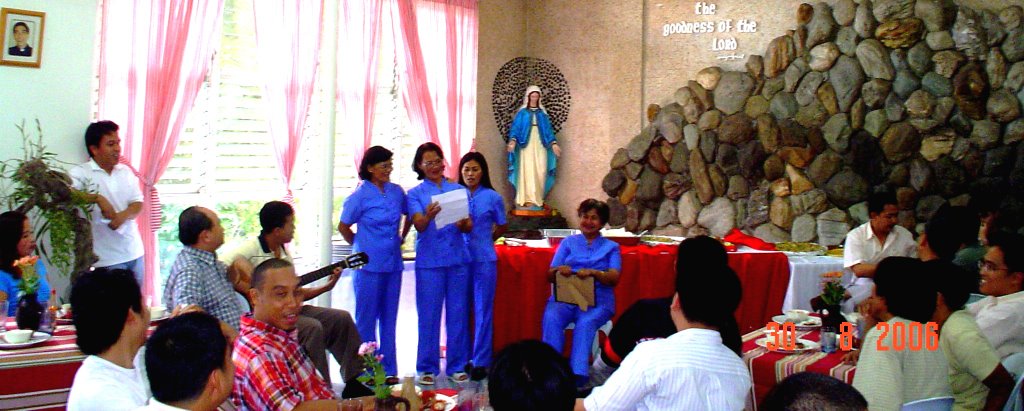
 Perina, Patring, and Esther try a goodbye song
for their coworker Ate Linda (seated)
Perina, Patring, and Esther try a goodbye song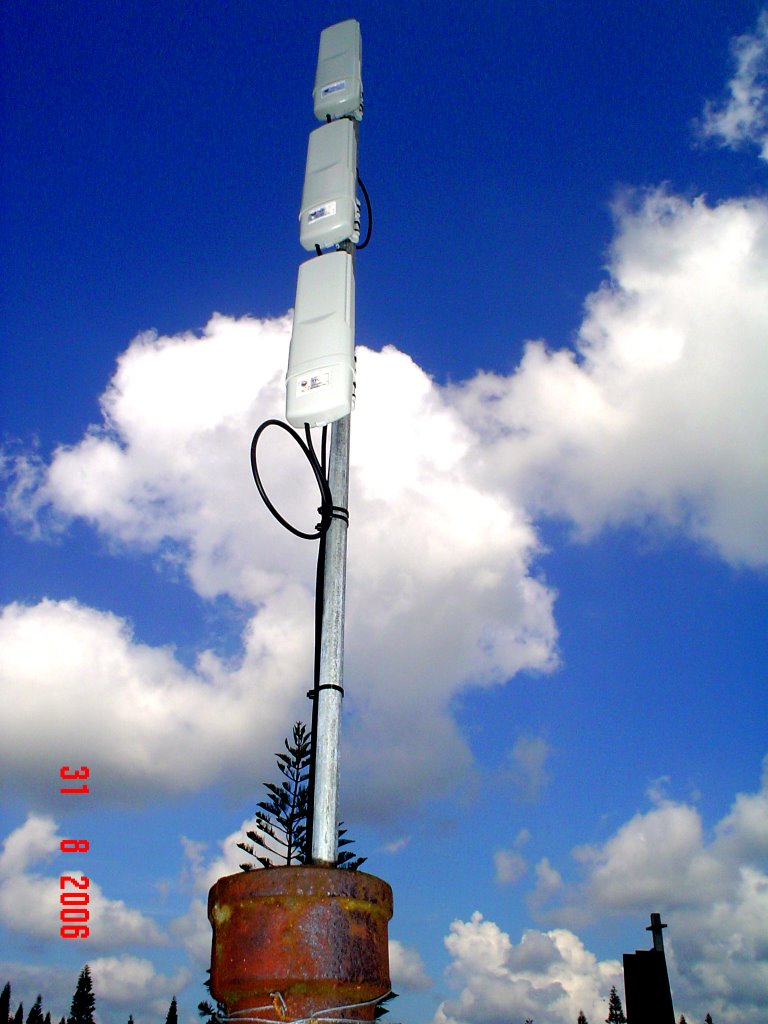 Apologies to blogreaders. I couldnt upload new posts in the past days. Our internet connection for almost a week now was intermittent and/or no connection at all.
CONSUMER group TXTPower is urging the National Telecommunications Commission (NTC) to stop Smart Communications from accepting new customers to its fixed wireless Internet service until it resolves pending complaints from existing subscribers.
TXTPower said it was speaking in behalf of complainants, but NTC Deputy Commissioner Jorge Sarmiento told INQ7.net that the regulator would act only after the group files a formal complaint.
“We will act on this until we see a complaint. If they do that, we can call Smart and their group to explain,” Sarmiento added.
TXTPower convenor Anthony Cruz said TXTPower was urging the NTC to take action in behalf of existing subscribers who had filed complaints with the agency. The consumer group noted that some [?] subscribers [now including DWST] have expressed dissatisfaction over the service, dubbed Smart Bro.
Smart Bro, formerly known as Smart Wifi [a marketing strategy because Smart Wifi was stormed with complaints] is a fixed wireless broadband Internet service.
Philippine Long Distance Telephone Co., the mother company of Smart, reported recently that there were at least 40,000 subscribers to Smart Bro nationwide.
Since its launch September 2005, Smart said that Smart Bro now covers 300 towns spanning from Batanes in the North to Tawi-Tawi in the South. About 65 percent of these subscribers are located outside Metro Manila, the operator added.
"Smart should be stopped from accepting new Smart Bro subscription applications until they are able to solve the connection problems, customer service and other concerns of its existing subscribers. The service has been described in many Internet forums as below-par, unreliable and slower than promised," Cruz said.
TXTPower suggested that the moratorium on new Smart Bro subscriptions be implemented immediately, with an accompanying NTC investigation on how Smart is operating the service, the customer service mechanisms offered to subscribers, and how problems are being solved.
"Indeed, the NTC should not turn a blind eye on Smart's multimillion-peso Smart Bro media campaigns while existing subscribers suffer from poor service," added Cruz.
The consumer group suggested that the NTC ask Smart to refund aggrieved subscribers.
"If Smart cannot solve the problems, the company should be ordered to waive the one-year subscription contracts so that subscribers could apply for broadband services of other more reliable providers," the group said.
Cruz said Congress has recently tackled House Resolution 1197 authored by Representative Manuel Zamora, which seeks an investigation on the widespread allegations of poor services of “Smart Wifi” and other broadband Internet services in the country.
Smart Bro is a fixed wireless solution that rides on the nationwide cellular network of Smart to deliver wireless broadband Internet service to subscribers. Subscribers will need an aerial antennae to establish a wireless connection to the nearest base station located at a Smart cellular site close to the subscriber's home. Cables connect the antenna to the subscriber's PC.
This wireless technology requires that the subscribers’ antennae have a clear "line-of-sight" alignment and be within a 1.5-kilometer radius from the nearest Smart cellular site.
Smart Bro subscribers pay a monthly subscription cost of at least 999 pesos a month.
TXTPower said that some subscribers have complained about the "low quality" of Smart customer service assigned for Smart Bro concerns.
"Oftentimes, subscribers are put on hold for half an hour before calls are actually answered. When calls get through, the customer service representative could only offer standard replies to problems and gives no help to helpless subscribers," the group said.
©2006 www.inq7.net all rights reserved
http://news.inq7.net/infotech/index.php?index=1&story_id=76876
Consumer group to NTC: Stop Smart Bro wireless Internet
First posted 10:05pm (Mla time) May 25, 2006
By Erwin Lemuel Oliva
INQ7.net
DWST problems: no connection (last weekend: Friday to Sunday and since yesterday till 5:53 this morning, 31 August); intermittent connection (since last week till this morning); slower connection than what we experienced in the first week after installation, it could not even open Yahoo for sometime. [posted by rcf 31 August 2006].

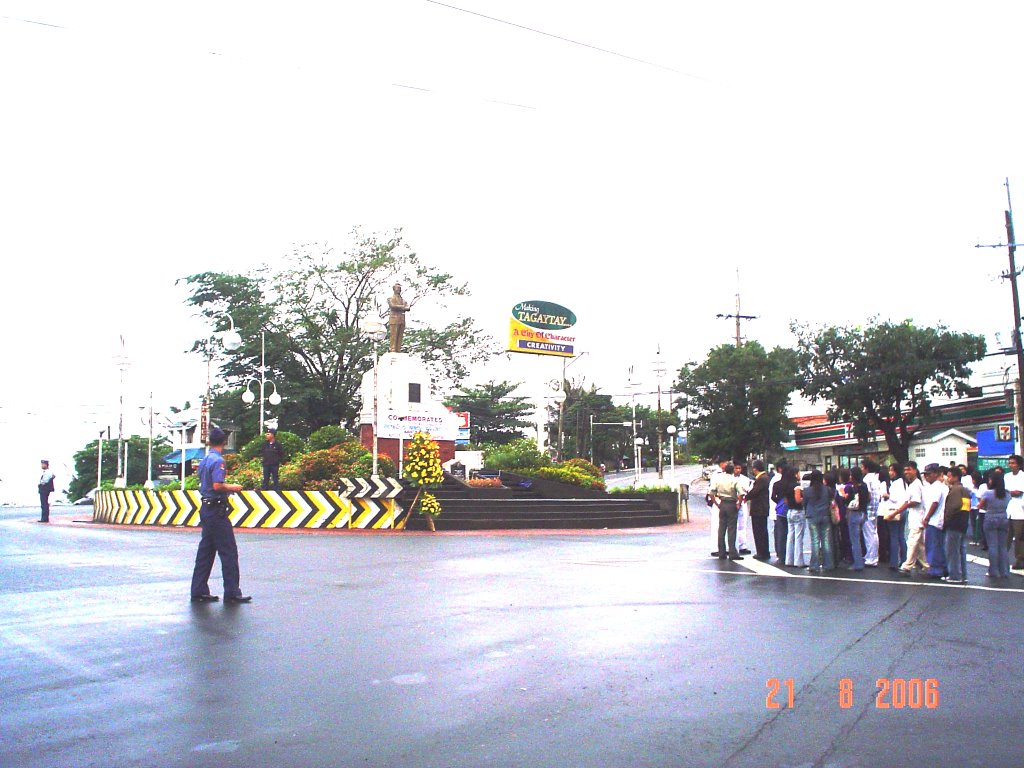
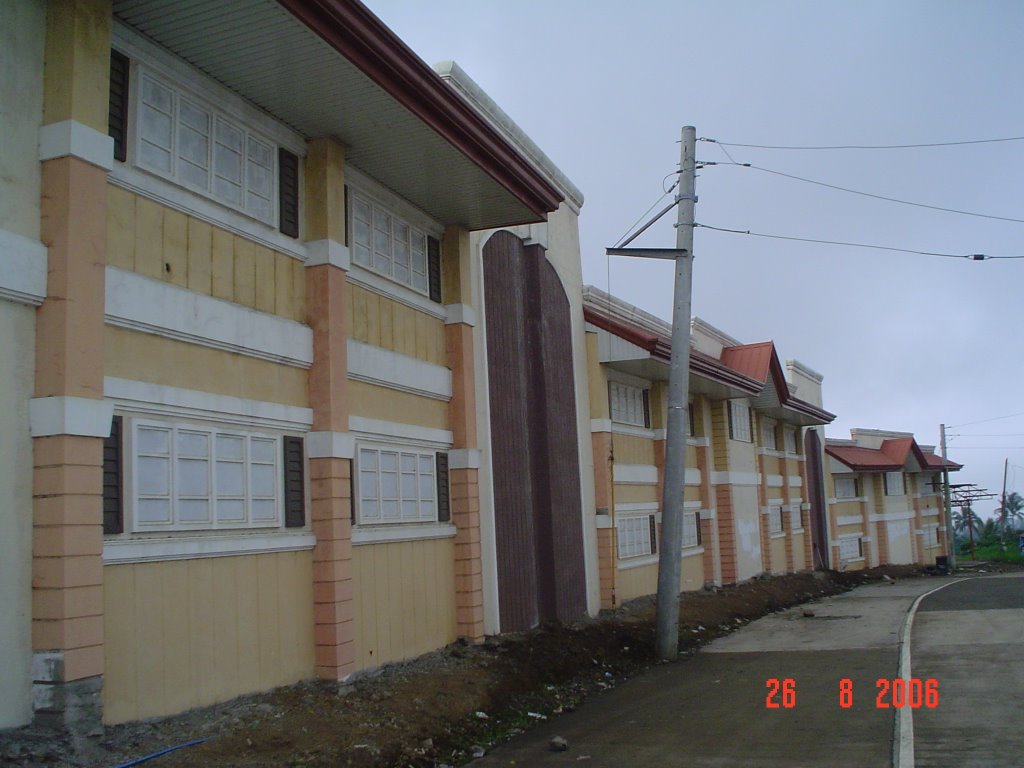 This is the scene that greets you as you enter Tagaytay
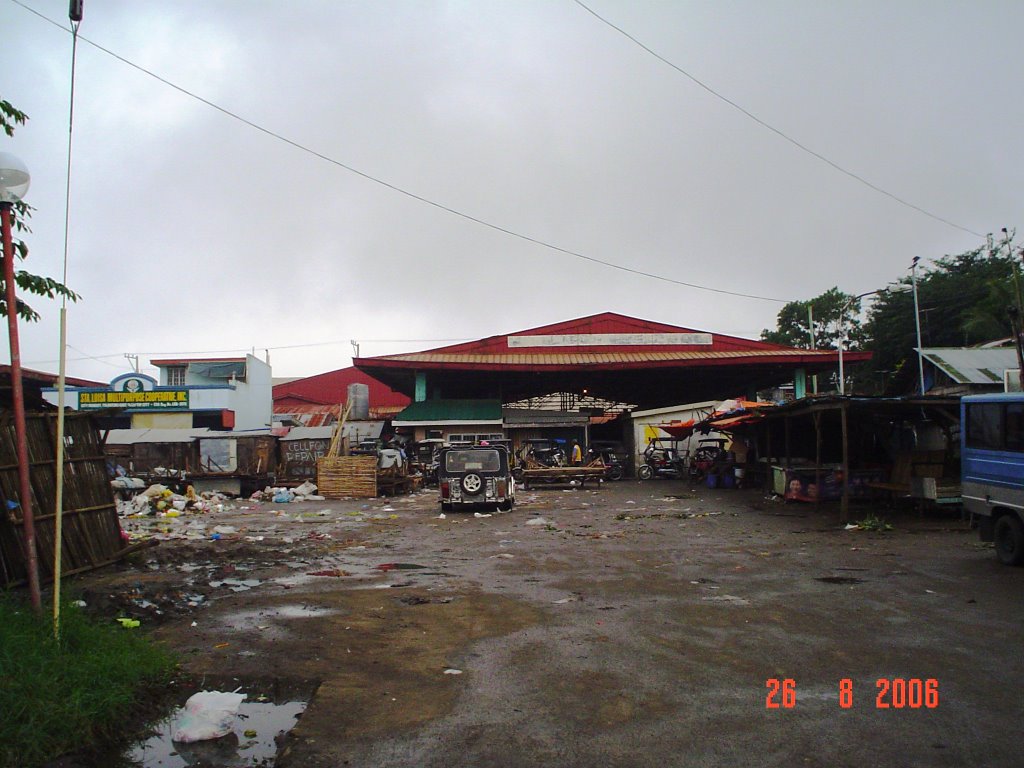
"Woe to you...! For you are like whitewashed tombs,But the words of Paul is even harsher:
which on the outside look beautiful,
but inside they are full of the bones of the dead and of all kinds of filth.
(Matthew 23:27).
At this Paul said... "God will strike you, you whitewashed wall!"
(Acts 23: 3).
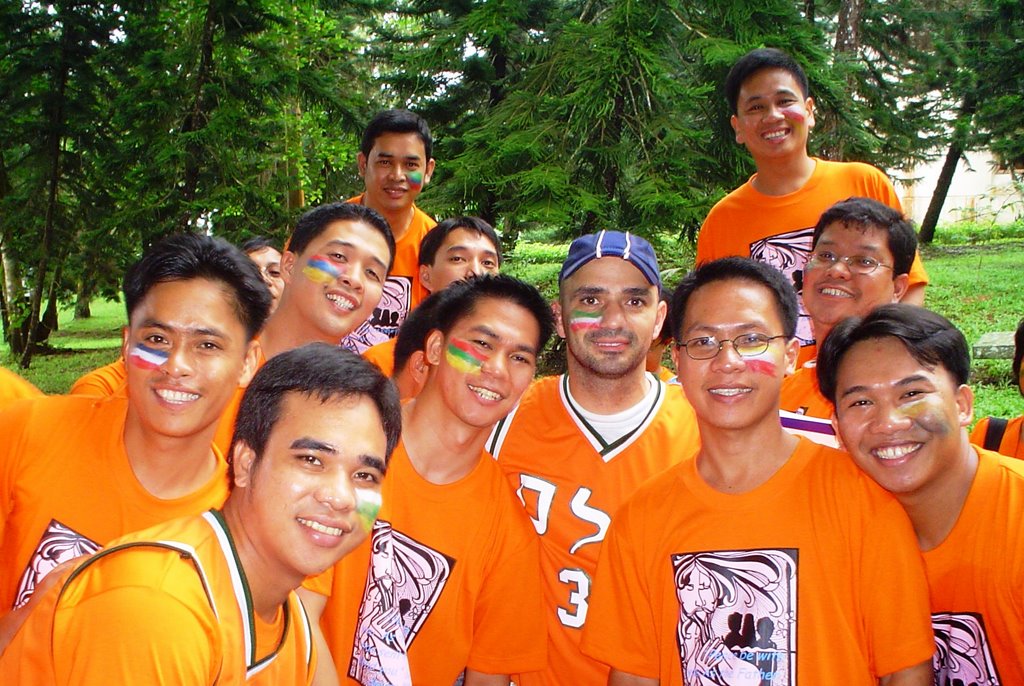 Fourth year theologians' cheering team
 You'd wonder how seminarians can perform acrobatics,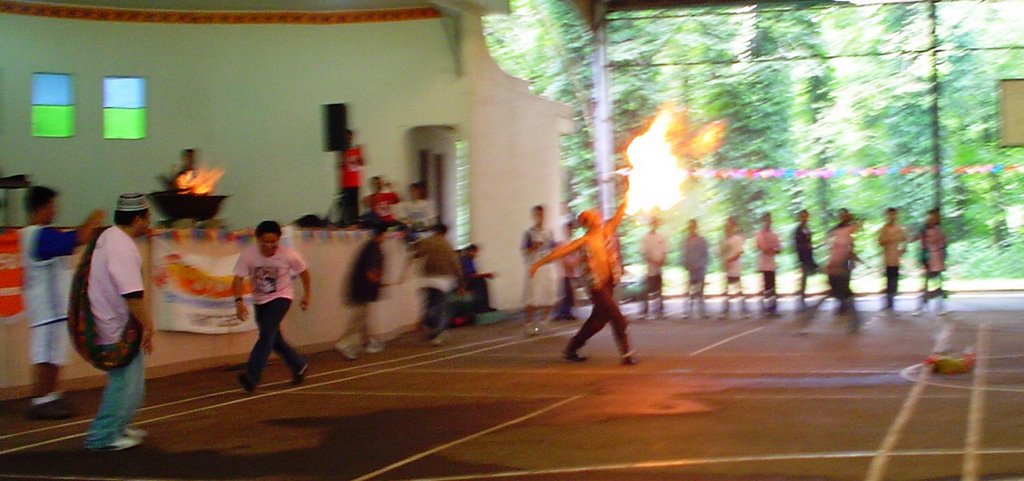
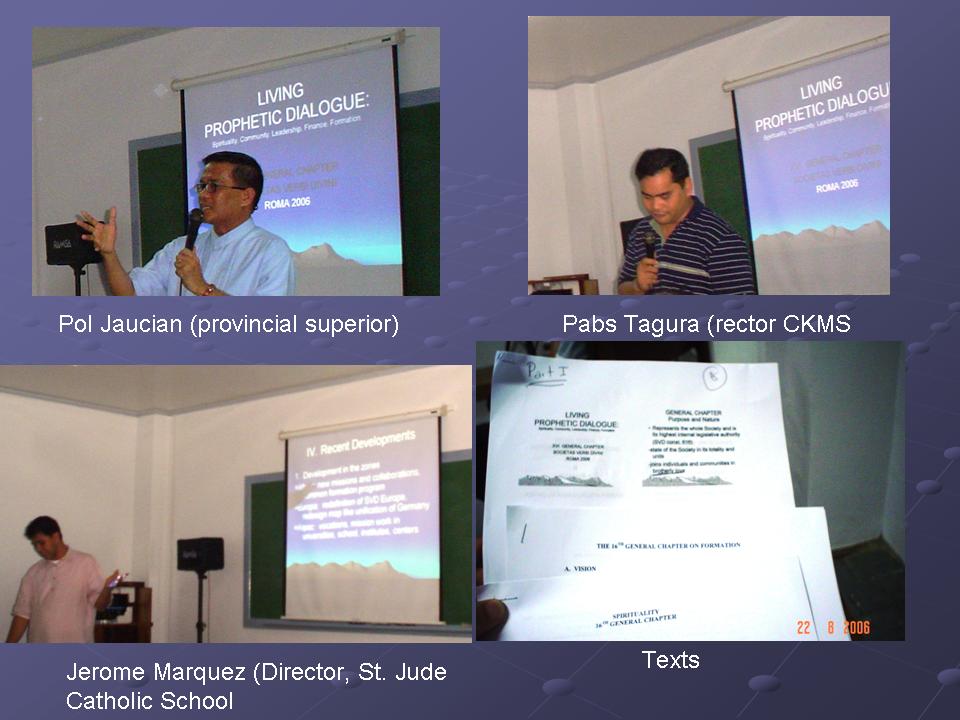 Chapter Delegates of the Philippine Central Province
 Divine Word Seminary Community
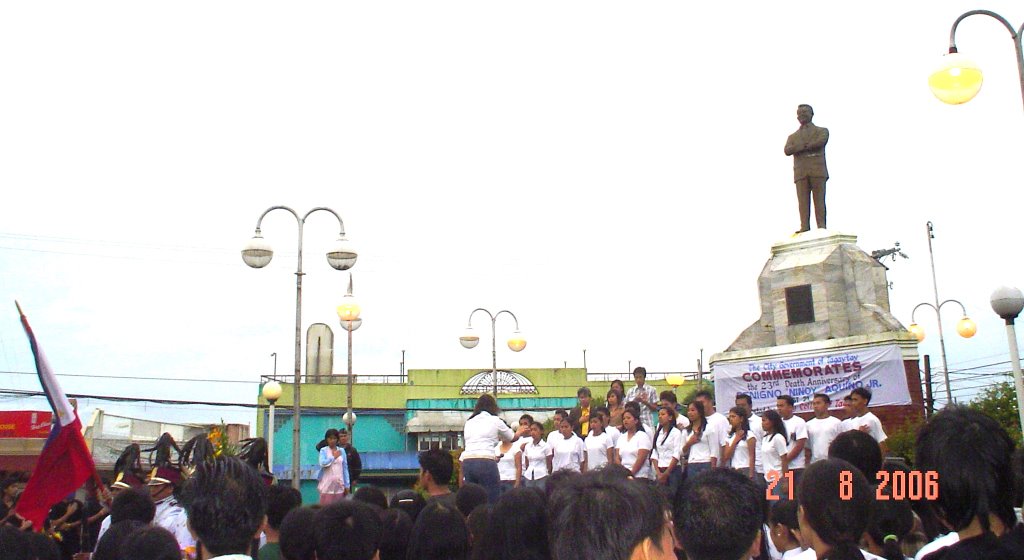 Tagaytay students sing the National Anthem


The Book of Genesis (chapter 11) tells a similar scene: "Then they said, 'Come, let us build ourselves a city, and a tower with its top in the heavens, and let us make a name for ourselves...' But the Lord scattered them abroad from there over the face of all the earth, and they left off building the city. So it was called 'Babel'."
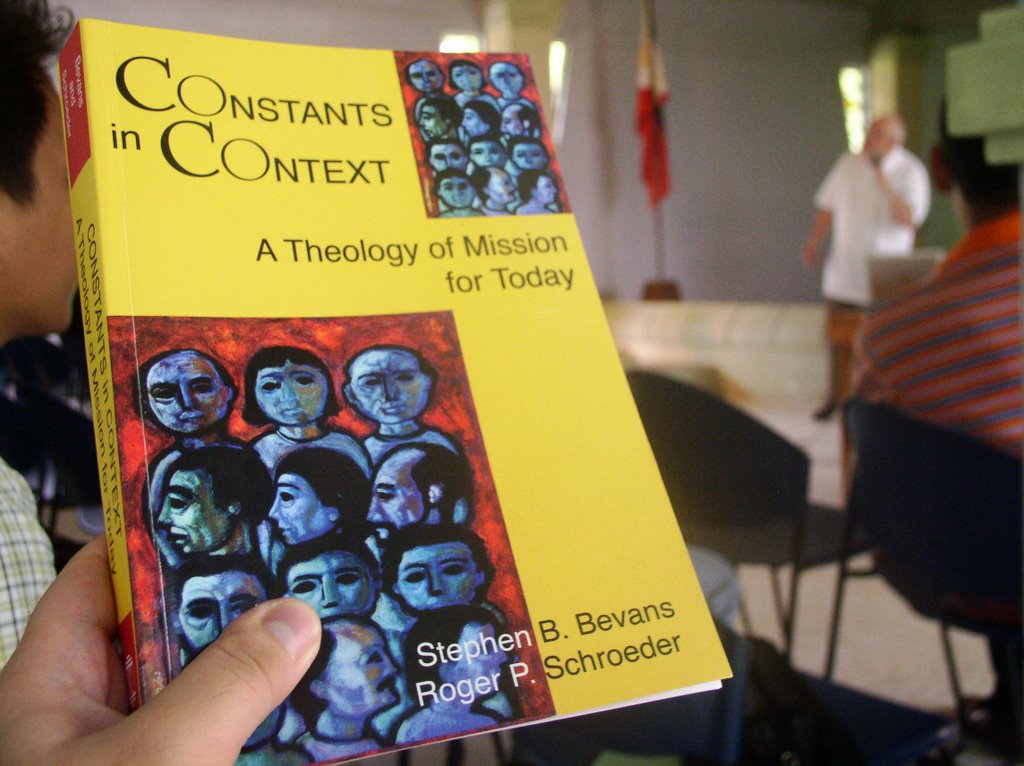
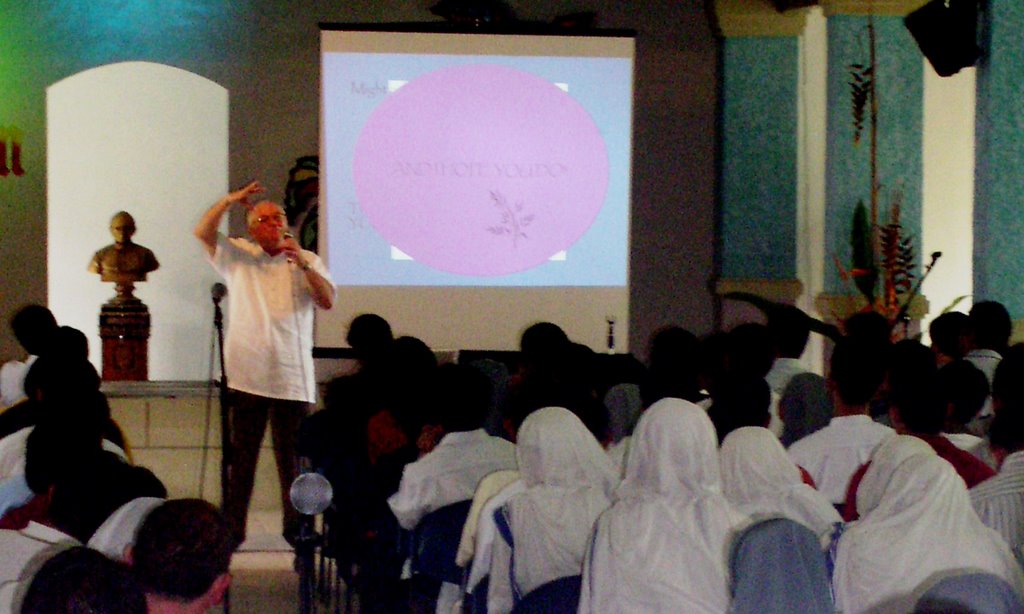 Bevans stresses a point in the

In contrast to David Bosch's use of historical paradigms in Transforming Mission (1991), which suggested that each new paradigms displaces the previous one, the typology used here demonstrates the interplay between continuity and variety accross time.
Groups and movements that have been ignored in theologies and histories of the Christian mission are recognized here. What has been regarded as a minority or marginal voice in one period can emerge later as representatives of a new consensus.
 Mike Layugan (Dean), Steve Bevans and Fred Saniel (Rector)
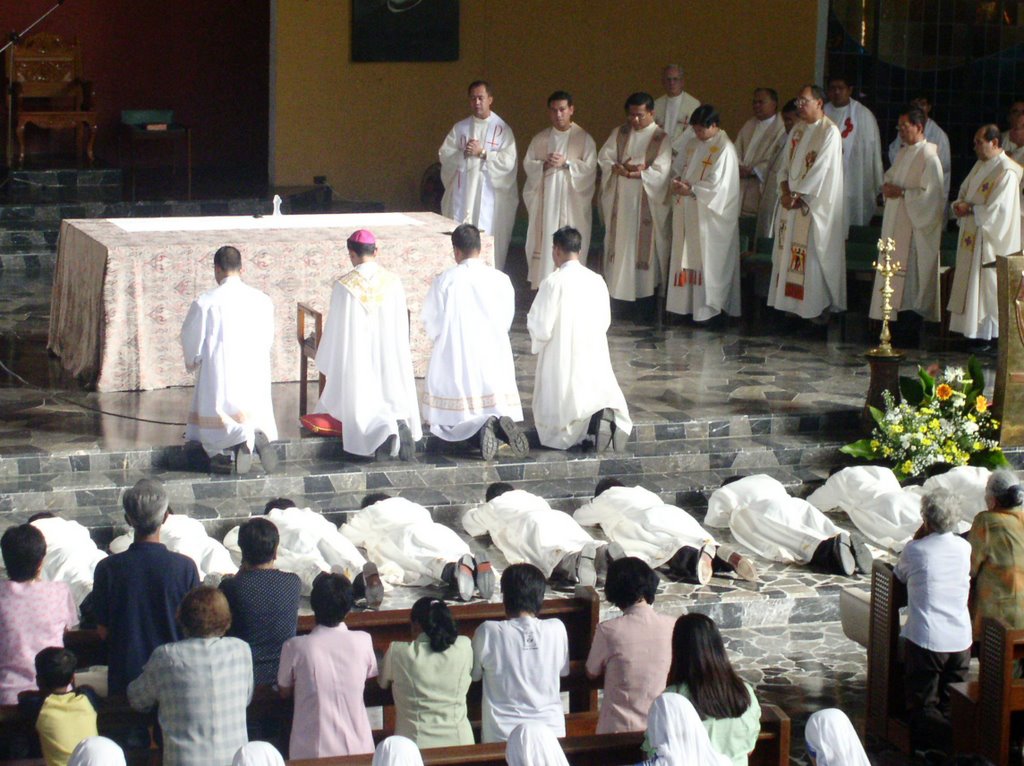 Chito Tagle, the bishop of Imus (Cavite), ordained thirteen SVD scholastics as deacons in a simple Eucharistic celebration in the afternoon (15:00) of 21 July 2006 at the Divine Word Seminary. (Tagaytay) Chapel. Close relatives and friends were invited to witness their entry to the last stage before being ordained as priests [03 Feb 2007 is set as the date for the ordination to the priesthood].
 Raul Caga, SVD directs the members
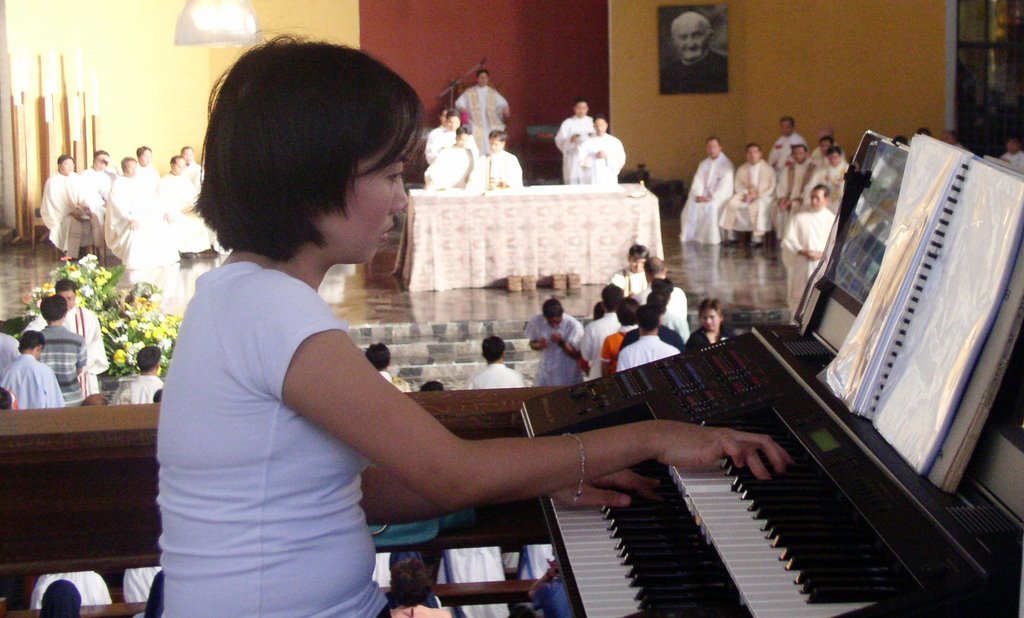 Nancy at the keyboard
The deacon's ministry of the Word includes reading the Gospel at the Eucharist, preaching and teaching. His ministry at the Altar includes various parts of the Mass proper to the deacon, including being the proper minister of the cup. The ministry of charity involves service to the poor and marginalized and working with parishioners to help them become more involved in such ministry.
Deacons can administer the sacrament of Baptism and serve as the church's witness at the sacrament of Holy Matrimony, which the bride and groom administer to each other.
Deacons may preside at funerals, the Liturgy of the Hours, various services such as Benediction of the Blessed Sacrament and they may give blessings. They cannot give absolution, anoint the sick, or say Mass. In the liturgy, it is proper for the deacon to proclaim the Gospel (in fact, a priest, bishop, or even the Pope may not proclaim the Gospel if a deacon is present) and distribute Holy Communion.
Transitional and permanent deacons both have the faculty to preach the homily by right of their ordination unless the priest presider retains that ministry to himself in any particular liturgy.
[The text is from Wikipedia, but according to Ronnie Crisostomo, SVD, Liturgy Licentiate student of Pontifical San Anselmo in Rome, the sources of this are:Rite of Ordination of Deacon (Pontificale Romanum)GIRM (2002), see #94, 171-18].
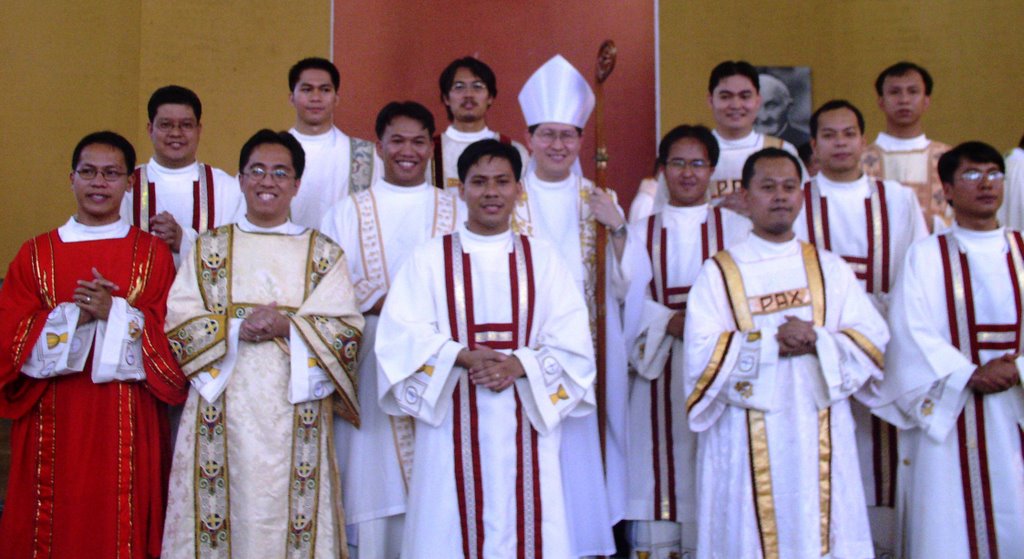 The new deacons with Bishop Chito Tagle
 Two Divine Word Seminary students present to
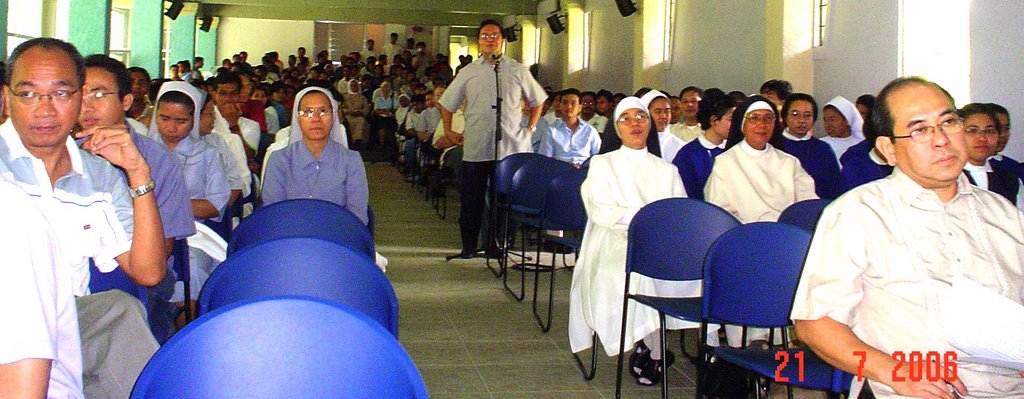 W. Villegas, NT professor, raises a question
If the late Fr. Tony Ceresko were here today, he would have… laughed at us, just like Jesus in the Gospel of Judas, who was always laughing."One day" says the Gospel of Judas, "Jesus was with his disciples… and he found them gathered together and seated training their piety [just like what we’re doing today].” When he approached his disciples and saw what they were doing, he laughed."That laughter was meant to show that Jesus knew what his disciples were trying to know. That should be what Fr. Ceresko is doing right now--laughing, as he looks at us trying to "understand all mysteries and all knowledge" (1 Cor 13:2) embedded in the text we call Scripture "for now what we see in a mirror, dimly, he now sees face to face." (1 Cor 13:12).
So for us who are "poor banished children of eve" will still have to wrestle with this sacred text as we continue to inhabit this "valley of tears." That’s actually the title of the most recent book of our keynote speaker Poor Banished Children of Eve subtitled Woman as Evil in the Hebrew Bible (2003). She applies "ideological criticism" to understand the portrait of women as moral evil and its connection with the problem of gender, race and ethnicity in the stories of Eve in Genesis; Faithless Israel in Hosea; the Two Sisters in Ezekiel; and the Other Woman in Proverbs.
This is a study that brought the author to conclude that "gender conflicts in ancient Israel could be deflected forms of class conflict—the struggles between the king and peasants are deflected to men and women" (from back cover). It’s something then like the conflict between the Spanish colonizers and the Filipinos were deflected in the conflicts between the mad woman Sisa and the Spanish friars and soldiers in the famous Jose Rizal’s novel: Noli Me Tangere.
Nonetheless this book was one of the last books Fr. Ceresko gave to me for free, (after his death, I inherited all his books), and was proud to inform me that it was written by one of his outstanding former students called professor Gale Yee.
In 1985, at the University of St. Michael’s College in Toronto, Professor defended her doctoral dissertation on the Composition and Tradition in the Book of Hosea under the direction of Fr. Ceresko.
As mentioned earlier, Professor Yee uses "ideological criticism" as an approach to understand the biblical text. In Judges and Method: New Approaches in Biblical Studies, a book she edited in 1995, she writes: Ideological criticism presumes that the text is a production of a specific, ideologically charged historical world that (2) reproduces a particular ideology with an internal logic of its own” (p. 149).
In reading a text, one must be conscious of the mode of the production dominant in the society producing the text and at the same time identify the ways the ideology is communicated and legitimized. This approach and related terms such as tributary mode of production, social struggle, egalitarian society, Norman Gottwald’s social revolution model, and the like are not strange concepts us especially to the former students of Fr. Ceresko.
Professor Gale Yee was born in Cincinnati, Ohio, April 9, 1949. She attended the Academy of Our Lady (Catholic) high school graduating in 1967. She received a BA in 1971 from Loyola University of Chicago, a Jesuit college, and continued at that University receiving her MA in 1974. She studied for the PhD in Theology at the University of St. Michael’s College, Toronto. While at St Michael’s she was instructor for the Introduction to Old Testament course.
She taught at the University of St. Thomas, St. Paul, MN, where she was Director of Women’s Studies from 1984 until 1998. Starting in 1998 she has taught at Episcopal Divinity School (EDS) in Cambridge, Massachusetts and is the EDS Director of Studies in Feminist Liberation Theologies there.
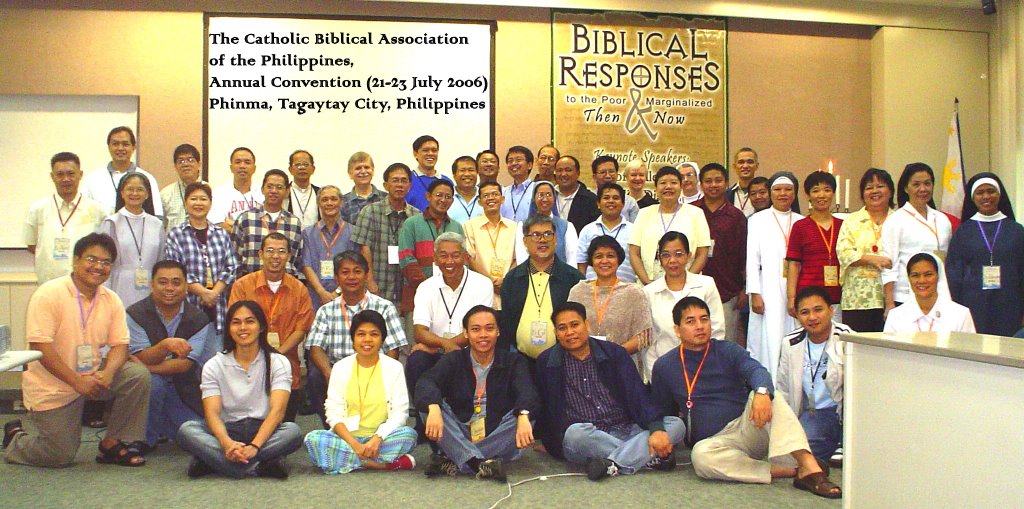
During the academic year 2002-2003 she was Visiting Scholar at Chung Chi College at the Chinese University of Hong Kong. In 2004, upon the strong recommendation of Professor Amy Jill Levine, the Board of Trustees of the CBAP invited her to be the keynote speaker in this year’s convention.
 Gale Yee, Helen Graham (Maryknoll sister)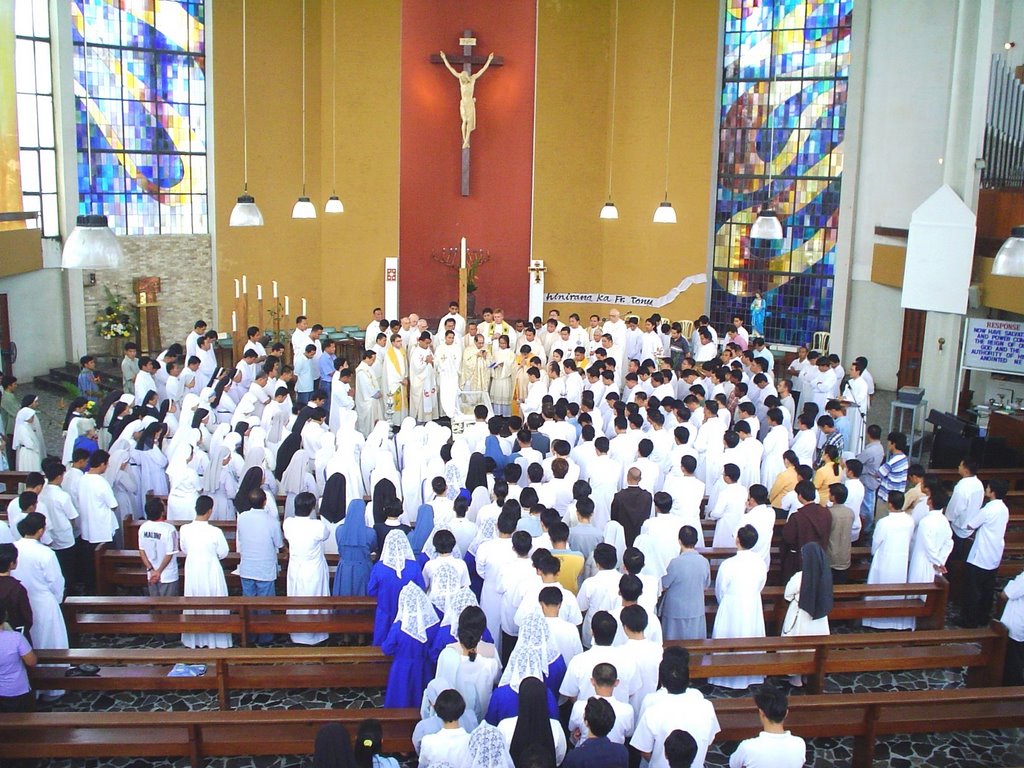
 le (Bangalore: S.F.S. Publications, 2005), pp. 11-30.
"My attitude toward the society in which I live (i.e., USA) has become more critical.
I can no longer watch commercials on television or look at them in magazines without telling a sense of repugnance for the slick and cynical distortions and manipulations of some of the most fundamental drives deep within our hearts the desire for happiness, for fulfillment, the desire for love and acceptance.
'Own this car and everyone will automatically love and respect you.'
'Satisfy that desire, deep in your heart, for that which is beyond the purely material, by eating this food, or drinking this soft drink, or owning this house.'"